

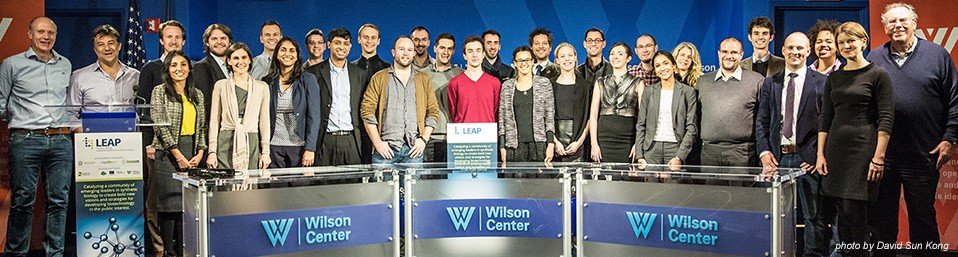
Congratulations to the 2015 SynBio LEAP Fellows!
The Fellows have been competitively selected for the 2015 LEAP Fellowship based on their leadership potential and their visions for shaping the future of biotechnology.
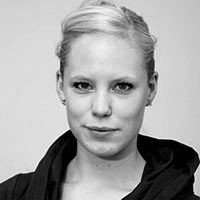
Afke (Wieke) Betten works as a PhD student and lecturer at the Athena Institute at the VU University of Amsterdam, the Netherlands. Wieke has experience with qualitative research methods, such as interviews, workshops and focus groups. Her main interests include (research on) communication of the health and life sciences, transdisciplinary research and innovation, and education. Since 2011 Wieke has been involved in the iGEM competition, both as an advisor and a judge. She was recently involved in the SYNENERGENE project, collaborating with eight iGEM teams in ‘real-time’ technology assessments. Wieke obtained a MSc in Medicine and a MSc in Management, Policy-analysis and Entrepreneurship in the Health and Life Sciences, both from the VU University in Amsterdam.
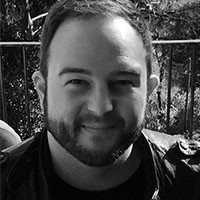
Mac Cowell is a biotechnologist working on low-cost molecular biology tools. Previously, Cowell worked for the International Genetically Engineered Machine competition at MIT; co-founded DIYbio.org, an online community for biotechnologists; started BOSSlab.org, a public wetlab in Somerville, MA; and researched patent use in the genetic diagnostic industry at the Berkman Center at Harvard University. In 2011, he cofounded Cofactor Bio and developed an innovative $25 PCR + DNA sequencing reagent kit for consumers and educators. Currently Cowell works at Genefoo LLC, an R&D lab in San Francisco, CA focused on developing and sourcing low-cost, open-source molecular biology equipment. Most recently, Genefoo developed an innovative Synthetic Biology exhibit at the San Jose Tech Museum of Innovation that involved hands-on transformation and measurement of a 3-color reporter system. Cowell has a BS in Biology from Davidson College.

Dr. Kim de Mora started his career in mechanical engineering with a degree from the University of Edinburgh. After a brief stint in industry, Dr. de Mora chose to pursue a PhD in synthetic biology, starting with participation in iGEM. Being awarded a Lessells scholarship from the Royal Society of Edinburgh allowed de Mora to spend time at Harvard Medical School in one of the first labs to work on yeast synbio. His time in Boston was also spent interacting and volunteering with iGEM. Seven years, a brief stint as a postdoc, several transatlantic moves and more than a dozen iGEM Jamborees later, de Mora now runs the judging and new tracks programs at the iGEM Foundation.
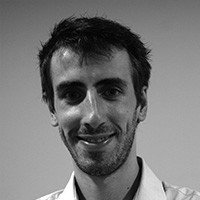
Camille Delebecque is an entrepreneur and biotechnologist. He is passionate about taming wild microbes to do great things, running on big mountains for long times, and very good sustainable food.
Camille is an advocate of using biology as technology and has been working on fostering biotechnological innovations with organizations across the private, public and social sectors. He is the Founder and CEO of SynBio Consulting and an advisor in Synthetic Biology for the European Commission. His latest venture, Afineur, crafts better and more sustainable food using disruptive fermentations. Prior to founding Afineur and SynBio Consulting, Camille worked at Puretech Ventures, consulted for the Harvard Office of Technology Development, and worked for the Life Science division of UNESCO. Camille is trained as a bioengineer and earned his PhD in Synthetic Biology with the highest distinctions between Harvard and Paris University. His thesis work was published in leading scientific journals and made the cover of Science.
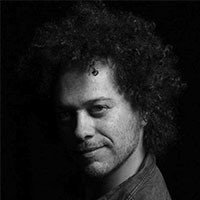
Connor Dickie co-founded Synbiota Inc. to accelerate biotechnology R&D. Synbiota is a rapid prototyping software/wetware platform for synthetic biology that puts the power of life into the hands of enthusiasts and researchers around the globe. Connor is an alumnus of the MIT Media Lab where he created context-sensitive, and attention-aware computers that have since been commercialized by Samsung. Connor is alumnus of Mozilla’s WebFWD program, and winner of the 2014 SXSW Interactive Accelerator. Connor is also co-founder of DIYBio communities in Toronto and Montreal.
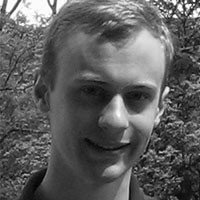
An inventor of technologies that harness evolution, Kevin Esvelt studies ways of using molecular tools to alter populations and ecosystems. He received his PhD from Harvard University in 2010 for inventing Phage-Assisted Continuous Evolution (PACE), a synthetic microbial ecosystem for rapidly evolving molecular tools. As a Fellow of the Wyss Institute, he helped pioneer the development of a powerful new method of genome engineering based on CRISPR/Cas9, an enzyme that can cut DNA at almost any desired sequence. Kevin recently outlined how Cas9 might be used to alter wild populations of sexually reproducing organisms by building evolutionarily stable “gene drives”. Recognizing the potential implications of a general way to alter the traits of entire populations, Kevin and colleagues detailed ways to control, block, or even reverse changes made by gene drives and emphasized the importance of careful evaluation and regulatory reform. Because we jointly share and rely on a healthy environment, he is deeply concerned with ensuring that gene drives and other inherently collective technologies are only used after transparent, broadly inclusive, and well-informed discussions.
James Field is CEO and co-founder of LabGenius, a Synthetic Biology startup based in London, UK. LabGenius was conceived during James’ PhD studies at Imperial College London where his research was focused on re-engineering protein nanocages for biotechnological applications. Prior to his PhD, James completed a BSc in Biology with Microbiology (1st Class) and an MRes in Systems and Synthetic Biology (Distinction), at Imperial College London. James is an active member of the synthetic biology community and has participated in the iGEM competition both as an undergraduate (2009) and an advisor (2011).

Ted Fjällman is CEO of Prokarium, a UK SynBio company that has transformed Salmonella into a SynBio tool for oral delivery and production of vaccines from within the body’s own immune cells – a technology currently in clinical trials. Ted has a wide international background earning his degrees on three different continents. During his PhD in Canada, he developed a method to bind toxins in filter paper using genetically modified antibodies. Afterwards Ted worked for one of Sweden’s leading think tanks where he coordinated the writing of a national innovation strategy for the Minister of Enterprise and organised delegation visits with Prime Ministers and top industry leaders. In 2009, he was one of 45 European astronaut finalists; the last Swedish candidate out of 8300 European applicants. He has also co-founded Tekiu and Citizens without borders and when he has spare time enjoys learning languages, playing strategy games and rock climbing.
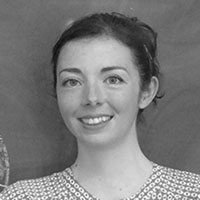
Keira Havens is a synthetic biologist-turned-entrepreneur dedicated to making biotechnology beautiful and accessible. As a graduate student, she was inspired to change the way people talked about GMOs and bridge the gap between the perceptions, potential, and reality of plant genetic engineering. She founded Revolution Bioengineering with colleague Nikolai Braun to develop unexpectedly beautiful biotechnology, starting with flowers that change color throughout the day. RevBio now works with artists, bioethicists, engineers, and scientists to introduce the potential and possibility of synthetic biology through these flowers. After receiving her Bachelor’s in Molecular Biophysics and Biochemistry from the Illinois Institute of Technology in 2004, Havens accepted a commission in the United States Air Force. She left active duty to pursue a degree in a synthetic biology laboratory and received her M.S. from Colorado State University in 2014.
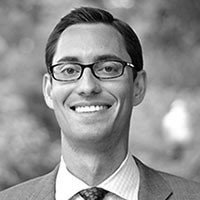
Andrew Herr founded and manages Mind Plus Matter LLC and Helicase LLC. Mind Plus Matter is a performance, productivity, and wellbeing consulting company which uses nutrition and lifestyle to enhance clients’ minds and bodies. Helicase is a consulting firm serving corporate and government clients with core areas of expertise in emerging technologies, research and development strategy, and human performance. Andrew is also an Adjunct Assistant Professor of Security Studies at Georgetown University where he teaches on unconventional weapons technology with a ‘hands-on’ bent. Prior to his current positions, Andrew was the Principal Investigator for Defense & Human Performance at Scitor Corporation, taught courses on optimizing performance to US Government civilians preparing for deployment to Afghanistan, and worked with U.S. government agencies on policy development and prototype testing. He has experience in both biology and physics laboratories, where he worked on Hepatitis B, nuclear weapons detection, and radiation dosimetry. Andrew received Master’s Degrees in Microbiology & Immunology, Health Physics, and Security Studies and a Certificate in Eurasian, Russian, and East European Studies from Georgetown University, where he had previously completed his undergraduate work in the School of Foreign Service.
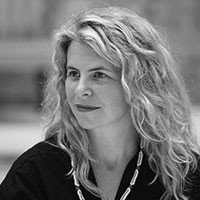
Karen Ingram is a designer, artist and creative director who uses her skill set to promote scientific awareness. Ingram is currently working with Natalie Kuldell on visual elements for Biobuilder. Ingram is a co-organizer of Brooklyn science cabaret, The Empiricist League, and is a board member of SXSW Interactive. She was an instructor on the subject of creative strategy for NYU SHERP’s pilot Entrepreneurial Science Journalism course. A member of Genspace, Ingram was part of the inaugural “Community Labs” iGEM track. Her work has appeared in publications including titles from Die Gestalten (Berlin), Scientific American, Digital Artist, and The FWA, where she was named a “Digital Pioneer.” Ingram is a partner at Cut/Paste/Grow, a group works at the intersection of biology and design. Cut/Paste/Grow projects have been recognized by the World Science Festival, Maker Faire, Kickstarter, and MOMA.

Jason Kakoyiannis is a co-founder of Bioscentric, a company at the nexus of synthetic biology, technology and sensory products made by the fragrance, flavor and cosmetic industries. He has held strategic and creative roles in the global fragrance industry developing both business-to-business and consumer facing brand platforms for companies such as Givaudan, Natura, Procter & Gamble, and the Estée Lauder Companies, among others. Jason’s expertise straddles creative and executive roles and he is passionate about sensory experience, in particular consumer engagement and messaging around products with complex origins. Before entering the fragrance industry, he was a fellow at the Whitney Museum of American Art and practiced law at Shearman & Sterling, focusing on private equity, public company M&A, and joint ventures across various industries. He has degrees from Brown University, Yale, and USC.
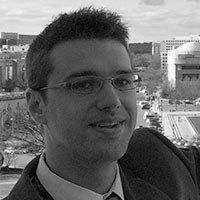
Cameron Keys is currently a Presidential Management Fellow at the U.S. Army. He has a BA in philosophy and Master’s in science and technology policy from Arizona State University, with a thesis focused on commercialization pathways for emerging technologies. His research since graduation has mainly explored the value of collaborative inquiry among social scientists and natural scientists on the laboratory floor. He has conducted research for Japan’s National Institute for Materials Science, the Center for Nanotechnology in Society at Arizona State University, and the University of Arizona College of Medicine. Cameron’s collaborations have taken numerous forms for audiences in academia, military, government, media and civil society, from academic articles and policy analysis to documentary film, broadcast journalism and moderated public debate.
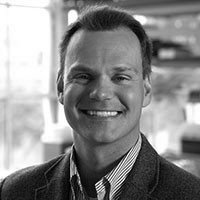
Michael Koeris is a co-founder of Sample6 Technologies, a Synthetic Biology startup aiming to improve the health and safety of global consumers. Sample6 is developing integrated systems that can quickly and easily detect harmful and unwanted bacteria in the food, healthcare, and other industries. Michael also co-founded the nonprofit BiotechStart.org to facilitate the dissemination of successful business models for biotech startups, increase awareness amongst prospective founders and help start more biotech companies.
Before starting Sample6 and BiotechStart, Michael completed his doctoral work on network approaches to combat antibiotic-tolerant bacteria with Professor James Collins at the Howard Hughes Medical Institute and Boston University. While working on his thesis Michael co-developed Sample6’s technology, working with Tim Lu. Michael remains a visiting scholar with the Synthetic Biology Group at MIT and HHMI in the Biomedical Engineering Department at BU. Prior to his doctoral degree, Mike graduated with a M.S. in Biochemistry from the Free University of Berlin, and was a recipient of the German Academic Exchange Fellowship (DAAD) to study at MIT. In addition to his scientific work, Mike previously worked at KPMG Consulting and McKinsey & Company in Germany, as well as Flagship Ventures in Cambridge.
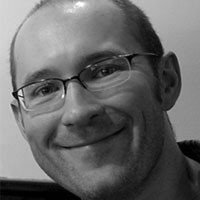
Jon Marles-Wright is a Chancellor’s Fellow in the Institute for Structural and Molecular Biology and Centre for Synthetic and Systems Biology at the University of Edinburgh. He trained as a biochemist and structural biologist working on diverse projects from immune recognition of bacterial lipids, environmental sensors in Gram positive bacteria and plant cell wall degradation. His current research employs structural biology methods complemented with biochemistry, biophysics and synthetic biology tools to understand metabolic compartmentalisation in bacteria. Through an understanding of the basic biology and design principles of metabolic compartments, we hope to use these as synthetic biology platforms for the production of valuable natural products, and to refactor these systems for use as containers and scaffolds for biotechnology applications. Jon teaches biochemistry and synthetic biology to both undergraduates and postgraduates and leads a course on molecular cell biology.

Amor Menezes is a Postdoctoral Scholar in the California Institute for Quantitative Biosciences at the University of California, Berkeley. While with the Department of Aerospace Engineering at the University of Michigan, he received a PhD degree as an NSERC Post-Graduate Scholar and Michigan Teaching Fellow in 2010, and a Master of Science in Engineering degree as a Milo E. Oliphant Fellow in 2006. His current research interests include the theory and application of control systems principles at the interface of synthetic and systems biology. Amor’s recent efforts to make biomanufacturing and synthetic biology more practical for space missions have been featured internationally, including in the International Business Times, Der Speigel, Popular Mechanics, Biotechniques, and other venues. He was a guest editor for Robotica in 2011.
Matthew Munson is a biomedical engineer at the National Institute of Standards and Technology (NIST). His technical portfolio is focused on the implementation of microfluidic technologies to establish robust metrological frameworks in the area of bioanalytical chemistry. The applications of these technologies within synthetic biology include genetic parts characterization, investigation of coupling between genetic elements, bioprocess feedstock characterization, and development of real-time measures of strain performance. He is co-leading NIST’s efforts to launch and host a Synthetic Biology Standards Consortium whose aim is to develop consensus standards and metrology infrastructure with both academic and industrial partners. Currently a staff scientist, Matthew came to NIST as a National Research Council postdoctoral fellow. He received a PhD in Bioengineering from University of Washington.
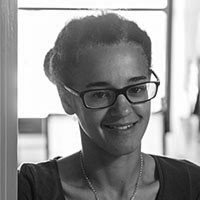
Nicola Patron is a molecular and synthetic biologist interested in the natural and engineered transfer of genetic material to nuclear genomes. In her PhD she studied genetic exchanges between viruses and plants and in post-doctoral research at the University of British Columbia she studied gene transfers from endosymbiotic acquisitions. In Australia, Nicola worked with the plant biotechnology industry to develop technologies that enabled targeted gene transfer to plant nuclear genomes. In May 2013, Nicola returned to the UK to lead a new Synthetic Biology venture at The Sainsbury Laboratory (TSL), a world-leading research institute working on the science of plant-microbe interactions. At TSL Nicola designs and develops molecular tools to engineer plant genomes and produce novel functions in plant cells. She’s also interested in how biotechnology can be used to prevent and alleviate problems caused by the dual challenges of under- and overnutrition.
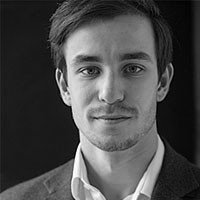
Edward Perello is a molecular biologist who wants to make biology programmable. He is part of the founding team of Desktop Genetics, a London-based software company creating next-generation tools to edit genomes using CRISPR technology. Edward advocates the development of secure approaches to engineering living systems, and seeks to foster deeper ties between national security and the biological sciences. He works on the iGEM software track committee, is the UK Ambassador for Hello Tomorrow, and advises the Oxford Future of Humanity Institute on biosecurity matters. Edward holds a BSc in Bioveterinary Science from London’s Royal Veterinary College and an MPhil in Bioscience Enterprise from the University of Cambridge.
Sanjana Ravi is an Analyst at the UPMC Center for Health Security. She is an Associate Editor of the peer-reviewed journal, Biosecurity and Bioterrorism: Biodefense Strategy, Practice, and Science and co-editor of the weekly newsletter Preparedness Pulsepoints. Ms. Ravi also serves as analyst manager for Center projects examining biosecurity policy and healthcare preparedness. She has contributed to projects exploring synthetic biology, global health security, healthcare preparedness, and risk communication around medical countermeasure delivery. Ms. Ravi’s research interests include global health systems and infectious disease policy. Ms. Ravi received a master of public health degree in infectious disease management from the Graduate School of Public Health at the University of Pittsburgh in 2013, as well as a BA in biology from Saint Louis University in 2011. She has served as a Global Impact Fellow with Unite for Sight in Tegucigalpa, Honduras, delivering basic eye care to underserved regions.
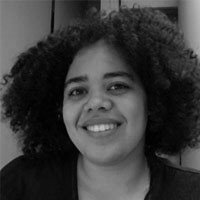
Dr. Sarah Richardson grew up in Baltimore, MD. She received a B.S. in biology from the University of Maryland in 2004 and a PhD in Human Genetics and Molecular Biology from Johns Hopkins University in 2005. She was awarded a Department of Energy Computational Science Graduate Fellowship in 2007. Her graduate research with Joel Bader and Jef Boeke focused on algorithms for the design of synthetic nucleotide sequences and the engineering and assembly of a synthetic yeast genome. Sarah joined the DOE Joint Genome Institute in Walnut Creek, California in March 2012 as a Distinguished Postdoctoral Fellow in Genomics to work on massive scale synthetic biology projects. She transitioned to the DOE Joint Bioenergy Institute in Emeryville, California in September 2014 and is currently working on improving JBEI’s host engineering capabilities as well as the application of novel genome editing technologies.

Lalitha Sundaram currently works at the University of Cambridge’s Arsenic Biosensor Collaboration. This project seeks to devise a whole-cell bacterial biosensor for the detection of groundwater arsenic, initially for use in Nepal. Lalitha develops strategy to take this novel synthetic biology product from bench to field, with a particular focus on Responsible Research and Innovation. This involves working closely with multiple stakeholders, including regulatory bodies, NGOs, international aid agencies and the local communities using the product. Lalitha’s broader interest is in exploring how communities in low-and middle-income countries can benefit from the promise and potential of synthetic biology, and in developing mechanisms for synthetic biology to contribute to international development in an ethical and sustainable manner. Lalitha’s PhD research, also at Cambridge University, explored host cell metabolic and microRNA changes following infection by the pathogenic parasite Toxoplasma gondii, using a combination of bioinformatic, next-generation sequencing and molecular biology tools.
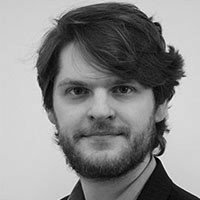
Sean Ward is a serial entrepreneur, first in the music industry with Relatable, and currently in synthetic biology with Synthace. At Synthace, one of the UK’s leading synbio companies, Sean is driving the work on Antha, a high level language for the reproducible and transferable execution of biological working practices. Before founding Synthace, Sean was a Research Associate in Bioinformatics at University College London, where he conducted research into protein folding, protein structure prediction, and gene coding. Prior to his work in bioinformatics, Sean was the Co-Founder and CTO of Relatable, a leading US based acoustic fingerprinting company, whose customers included major peer to peer companies such as Napster, as well as consumer electronics manufacturers, royalty collection agencies, and major labels. Sean has a BSc in Computer Science from University College London. Sean is also an advisor on synthetic biology to the UK’s Biotechnology and Biological Sciences Research Council.
 LEAP in words and pictures